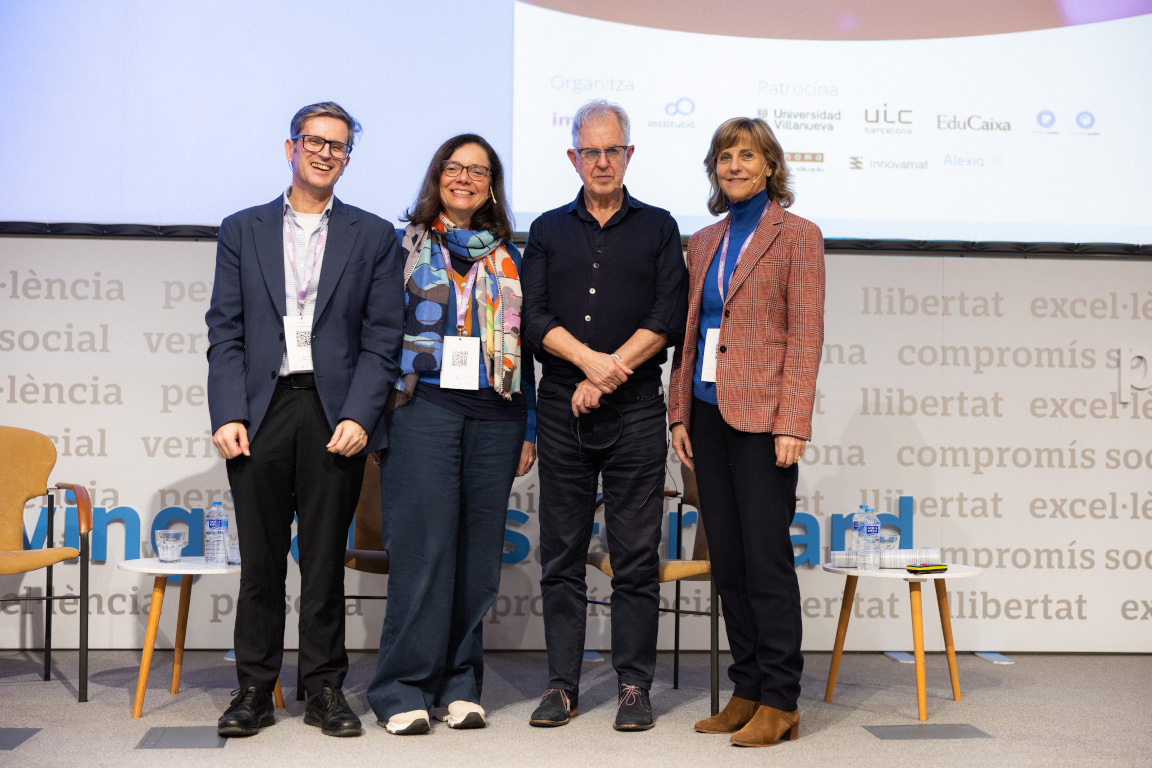
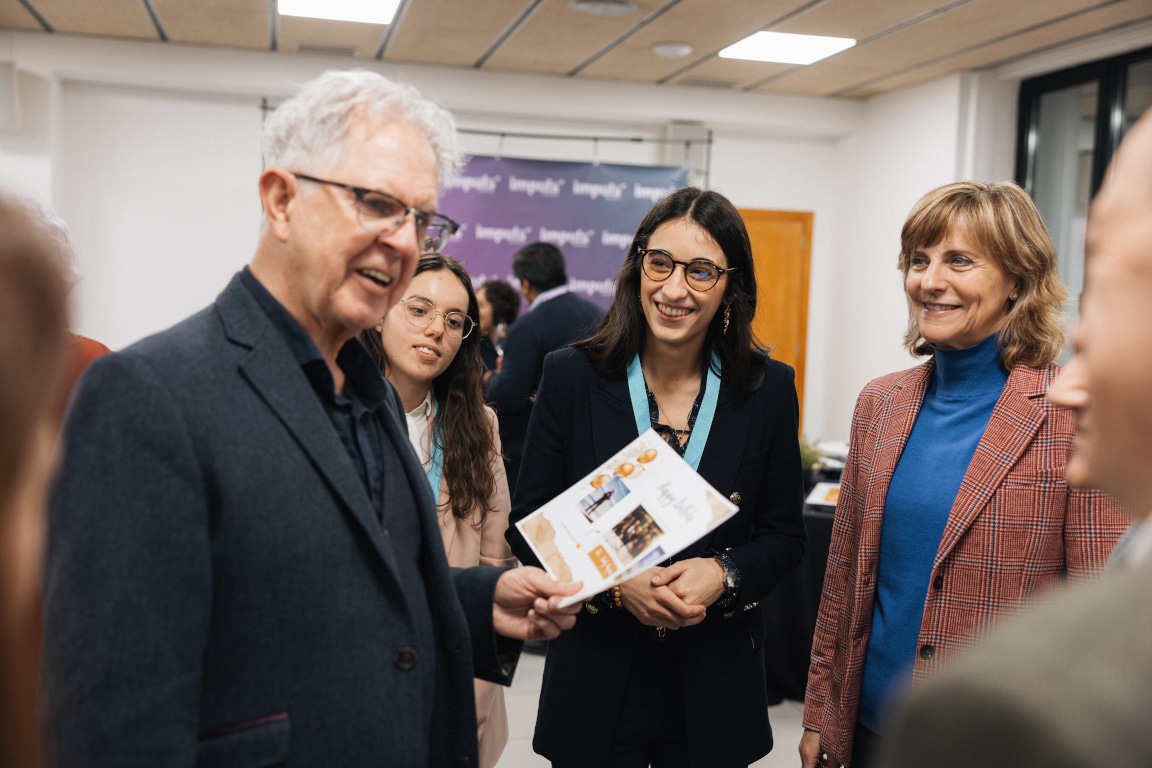
Dr. Maria Rosa Buxarrais participated this month in the 19th Annual Conference of the Asia-Pacific Network for Moral Education (APNME), which took place at the University of Malaysia, in Kuala Lumpur, from the 5th to the 7th of November. This year the theme was “Ethics and Authentic Dialogue in the AI Era”.
Dr. Maria Rosa Buxarrais presented a paper coauthored with Dr. Isabel Álvarez Cánovas (Autonomous University of Barcelona) with the title “Higher Education: Academic Integrity, Ethical Values and Generative Artificial Intelligence”.
Abstract
“The integration of generative artificial intelligence (AI) into higher education presents both unprecedented opportunities and significant ethical challenges. This paper explores the impact of AI on academic integrity and ethical values within universities, contextualizing its influence on students, faculty, and institutional practices. Drawing from contemporary debates in AI ethics, the authors highlight the anthropomorphization of AI and its implications for autonomy, moral agency, and decision-making. The paper examines how generative AI reshapes key academic practices- particularly assessment, authorship, and intellectual honesty – by introducing tools that can both support learning and facilitate dishonest behavior. Through a mixed-methods approach combining surveys, interviews, and content analysis of institutional policies, the study reveals a growing concern over the erosion of originality and critical thinking due to AI-generated content. It also underscores the lack of preparedness among stakeholders to ethically navigate these emerging technologies. The authors advocate for a comprehensive ethical framework tailored to higher education, emphasizing transparency, privacy, inclusion, and governance. Moreover, they call for the development of robust educational policies, ethics committees, and participatory mechanisms involving students and faculty. The findings suggest that, while generative AI holds transformative potential, its implementation must be guided by clear ethical standards to preserve the values underpinning academic integrity. Ultimately, the paper contributes to the ongoing discourse on how higher education can responsibly adapt to technological innovation while safeguarding its foundational principles“.
 From left to right: Dr. Vishalache Balakrishnan, Professor at the University of Malaysia, Dr. Wiel Veugelers, Emeritus Professor at The University of Humanistic Studies (The Netherlands) and Dr. Maria Rosa Buxarrais, Professor at the University of Barcelona.